

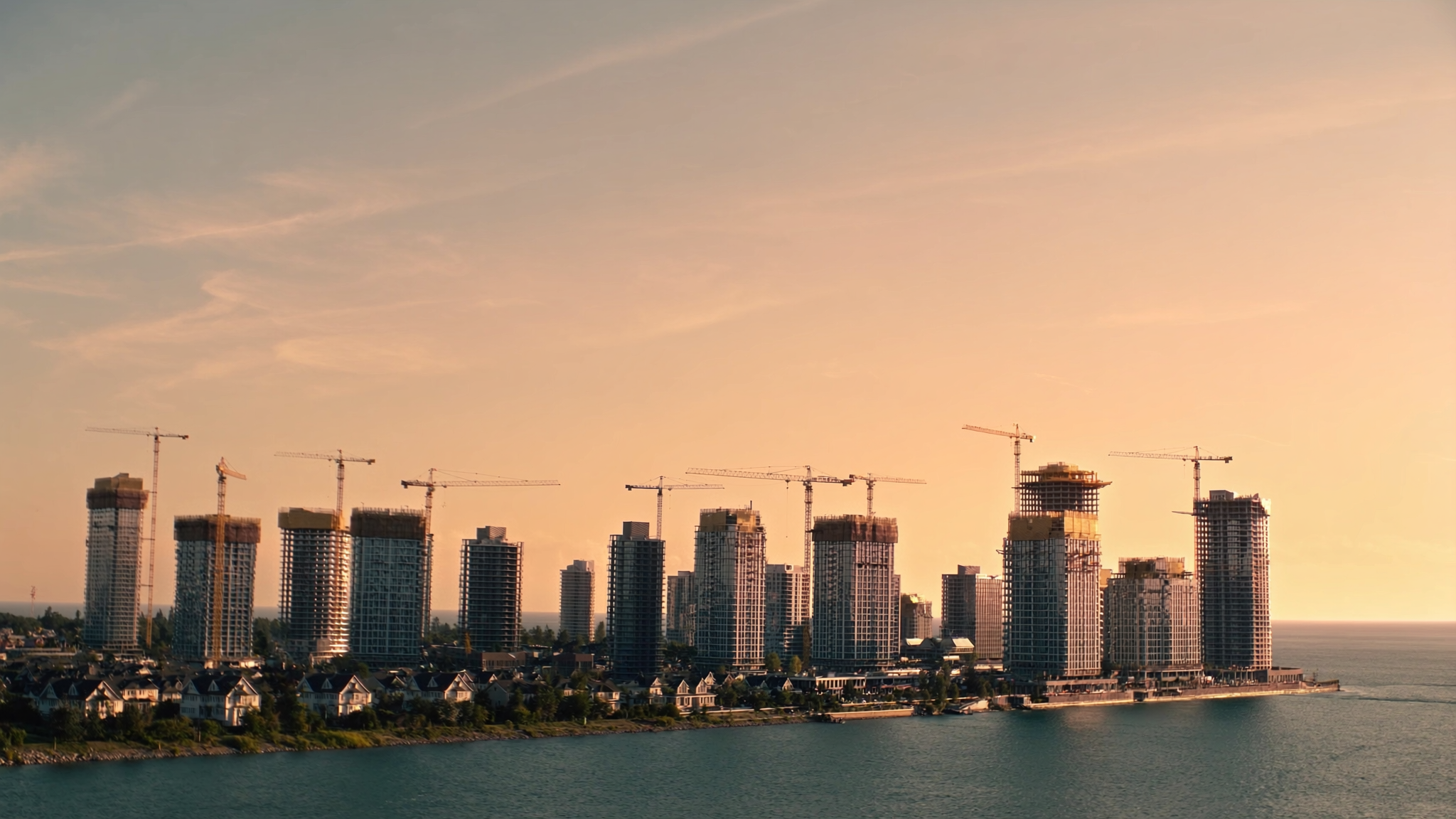
Quick answer: Investing in pre-construction in Ontario means buying a new condo or home from a builder before it's built. You pay a deposit in instalments, usually 15–20% for condos and 5–10% for freehold homes, and close when it's finished, typically 2–5 years later.
It offers leverage, time to save, newer rental rules and, in 2026, up to $130,000 in HST relief for qualifying rentals. The main risks are an appraisal gap at closing, negative cash flow and delays. This guide covers everything in three chapters plus four FAQ guides.
Welcome to the Buyprecon.ca guide to investing in and buying pre-construction in Ontario. Whether you're buying your first condo to rent out, a townhome for your family, or adding to a portfolio, these guides cover what you need to know, with numbers updated for the 2026 market.
The Ultimate Guide to Investing in Pre-Construction
| Chapter | What you'll learn |
|---|---|
| Chapter 1: Why invest in pre-construction | Leverage, deposit timing, rent rules for new units, the 2026 HST rebate for rentals, and honest 2026 cash-flow numbers |
| Chapter 2: Tips and tricks | What to negotiate, VIP access, the best unit types, planning for appraisal gaps, tax rules and common mistakes |
| Chapter 3: How to choose the best project | Checking builders, location, price vs. resale, project status, unit selection and condo vs. freehold |
Pre-construction FAQ guides
- Buying process FAQ: agents, worksheets, cooling-off periods, deposits, timelines and PDI
- Financing FAQ: pre-approvals, down payments, 30-year amortizations, appraisal gaps, FHSA and investor mortgages
- Occupancy and closing FAQ: occupancy fees, delays, Tarion compensation, warranty and final closing
- Legal FAQ: agreement review, disclosure statements, deposit protection, ownership and foreign buyer rules
Essential buyer guides
- How to buy pre-construction in Ontario: step by step
- Ontario HST rebate on new homes (up to $130,000)
- Pre-construction deposits: how much and how they're protected
- Pre-construction closing costs checklist
- Pre-construction vs resale in 2026
- The new 10-day freehold cooling-off period (2027)
- Assignment sales: fees, HST and taxes
Pre-construction investing at a glance (2026)
| Topic | Key fact |
|---|---|
| Typical condo deposit | 15–20%, paid over 1–2 years |
| Typical freehold deposit | 5–10% |
| HST relief on new homes | Up to $130,000 for agreements signed April 1, 2026 – March 31, 2027 |
| Rent guideline exemption | Units first occupied after November 15, 2018 |
| 2026 rent increase guideline (older units) | 2.1% |
| Cooling-off period | 10 days for condos; freehold from January 1, 2027 |
| Freehold deposit protection (Tarion) | Up to $60,000–$100,000 |
| Insured mortgage cap | $1.5 million, with 30-year amortization on new builds |
| Flipping rule | Profit on property held under 365 days taxed as business income |
| GTHA condo rent (Q2 2026) | About $3.74 per sq ft per month |
Where to start
- New to pre-construction? Start with the step-by-step buying guide.
- Thinking about investing? Read Chapter 1.
- Ready to compare projects? Use Chapter 3's checklist and the Buyprecon.ca map.
Frequently asked questions
Is pre-construction a good investment in Ontario?
It can be for long-term buyers with stable income, a cash buffer and a well-chosen project. 2026 rewards careful, well-negotiated purchases and punishes short-term speculation.
How much money do I need to invest in pre-construction?
Typically 15–20% of a condo's price in deposits over one to two years, or 5–10% for many freehold homes, plus closing costs and a buffer for an appraisal gap.
What is the biggest risk?
An appraisal gap at closing. If the home is worth less than you paid, your lender lends on the lower value and you cover the difference.
Do I need an agent?
It's free and recommended. The builder pays the commission, and your own agent represents you rather than the builder.
About the author: Ola Otubu is a REALTOR® with Realty ONE Group Reveal, Real Estate Brokerage, and the founder of Buyprecon.ca. He represents buyers of new construction homes and condos across Ontario, from the first deposit through PDI, closing and warranty claims.
This guide is general information, not financial, legal or tax advice. Figures reflect information available in October 2026 and can change. Sources: Urbanation; Government of Ontario; Government of Canada; Canada Revenue Agency; Tarion.
Want a second opinion on a project?
Send me the project you're considering. I'll compare it to nearby resale, run the carrying costs and flag the clauses to negotiate. There's no cost to you as a buyer.